The Persistence of Vanishing Things
The Persistence of Vanishing Things
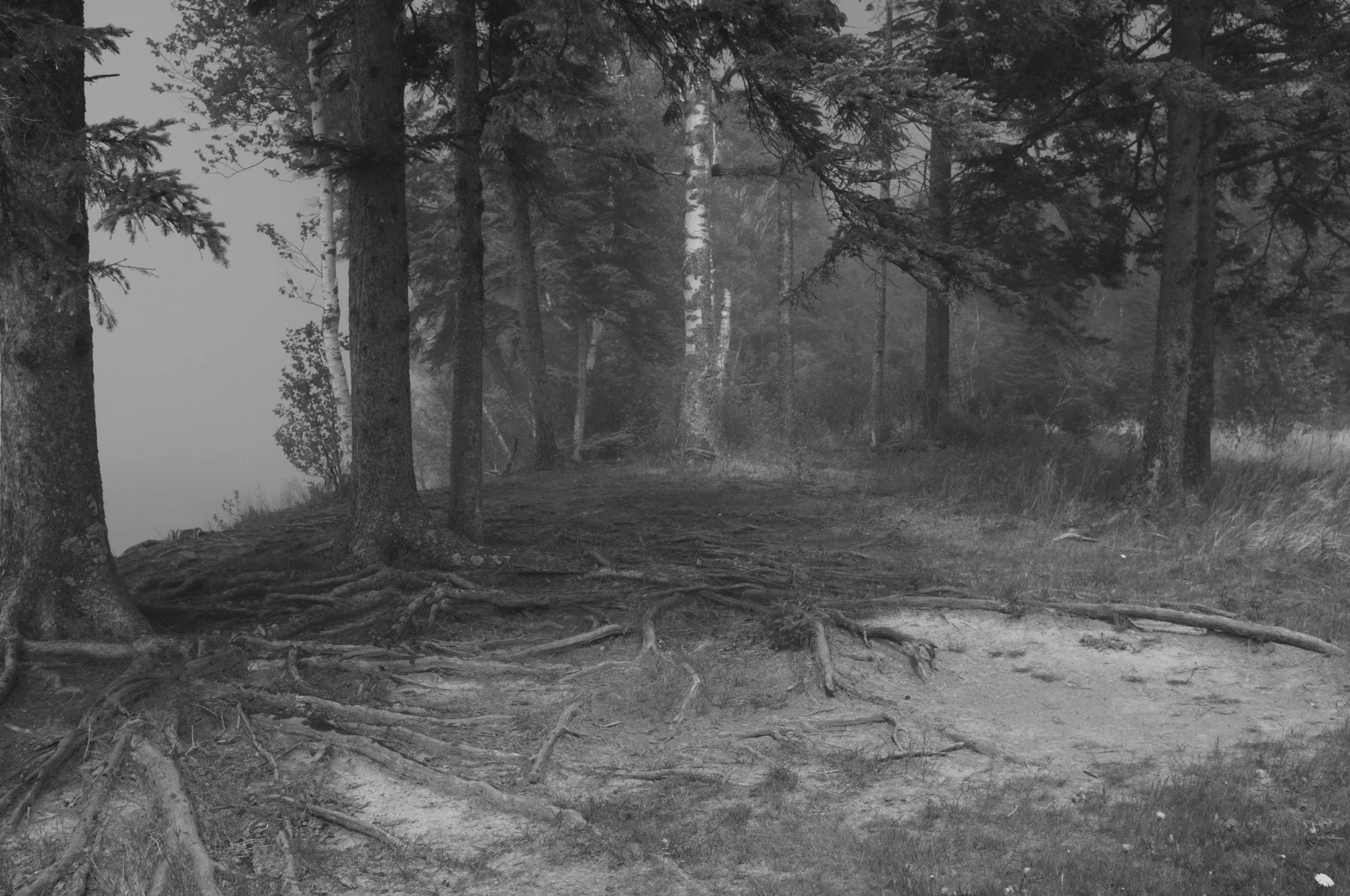
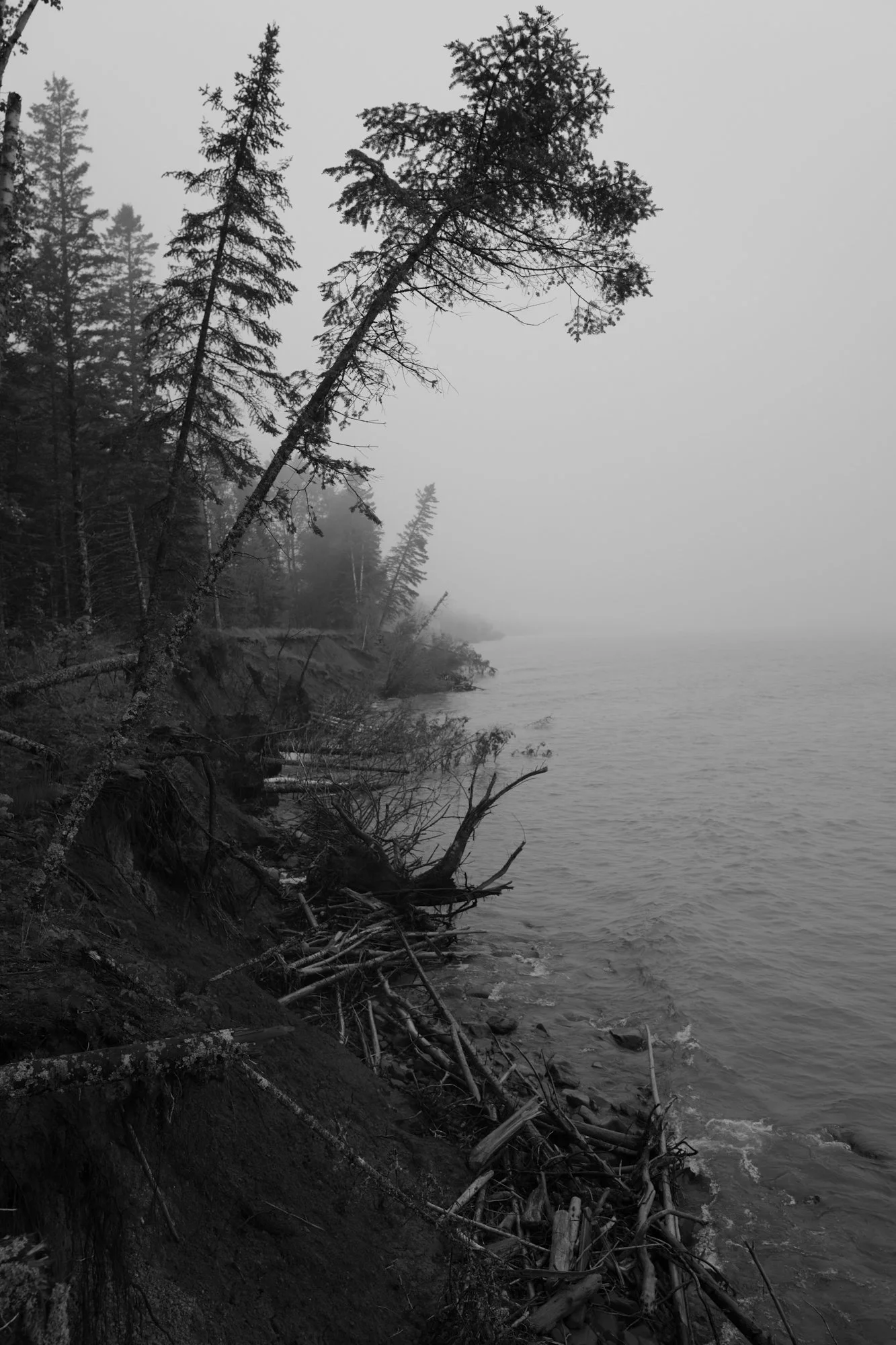
More than ten years ago, my husband took me to a stretch of the Lake Superior shore we came to call the Patch. That first morning an arctic mist rose off the water, cold air meeting warmer lake. I fell in love. I grew up on the Atlantic, among waves and fog, and though this inland sea carries no smell of salt, it gave back something I had lost in what felt like a landlocked Midwestern life. I began returning to photograph it, and eventually rented an apartment nearby so I could go more often.
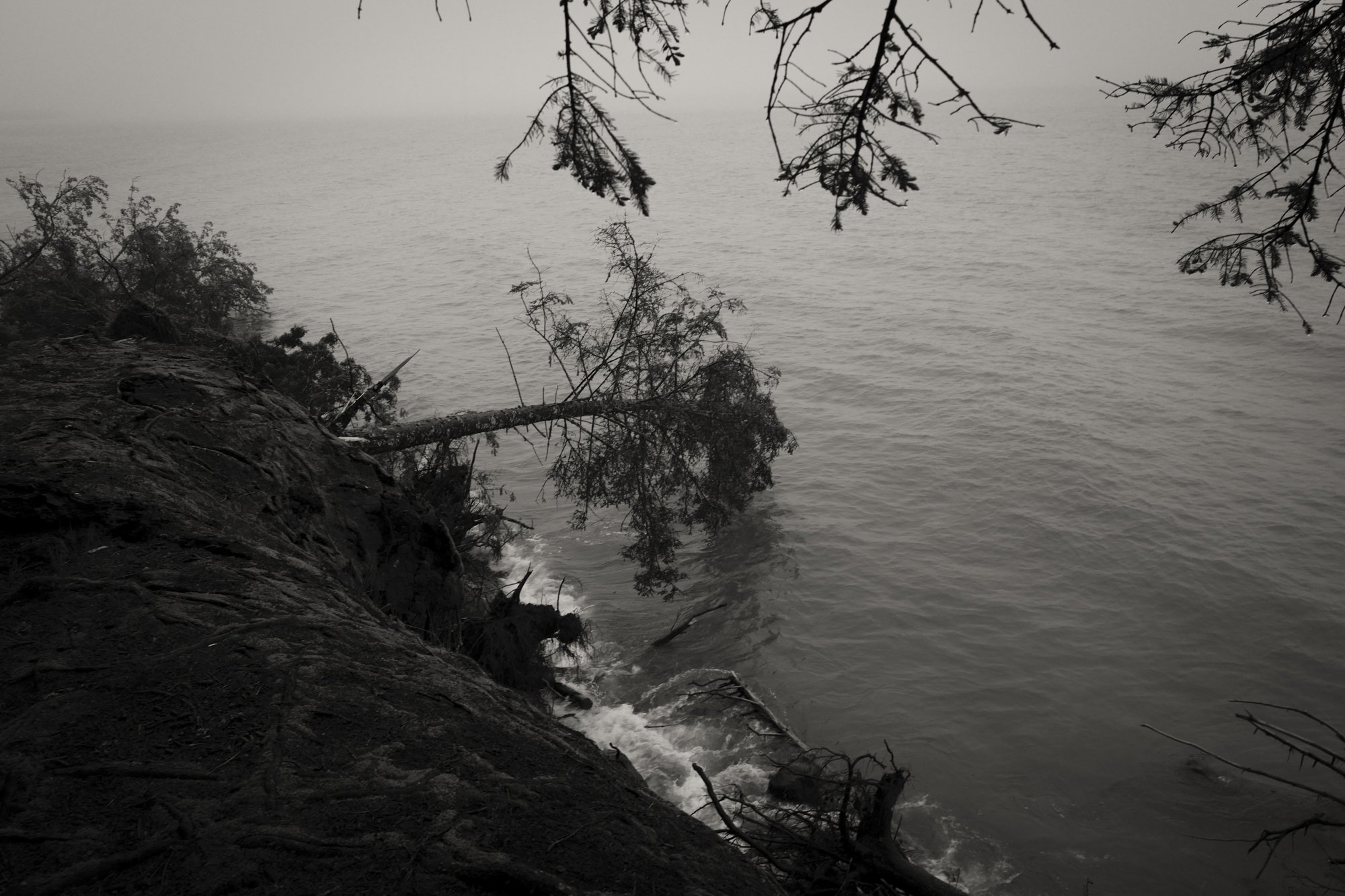
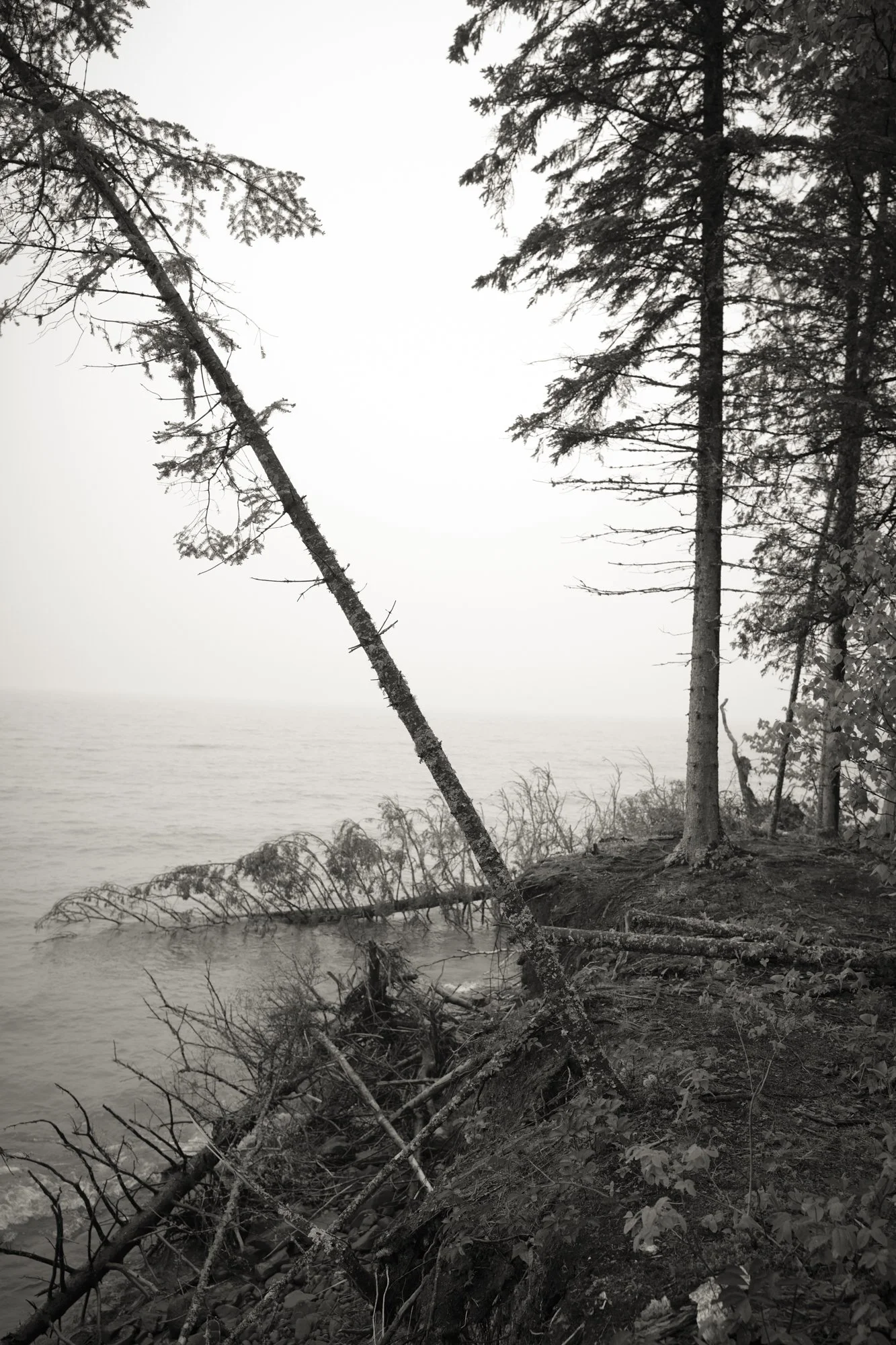
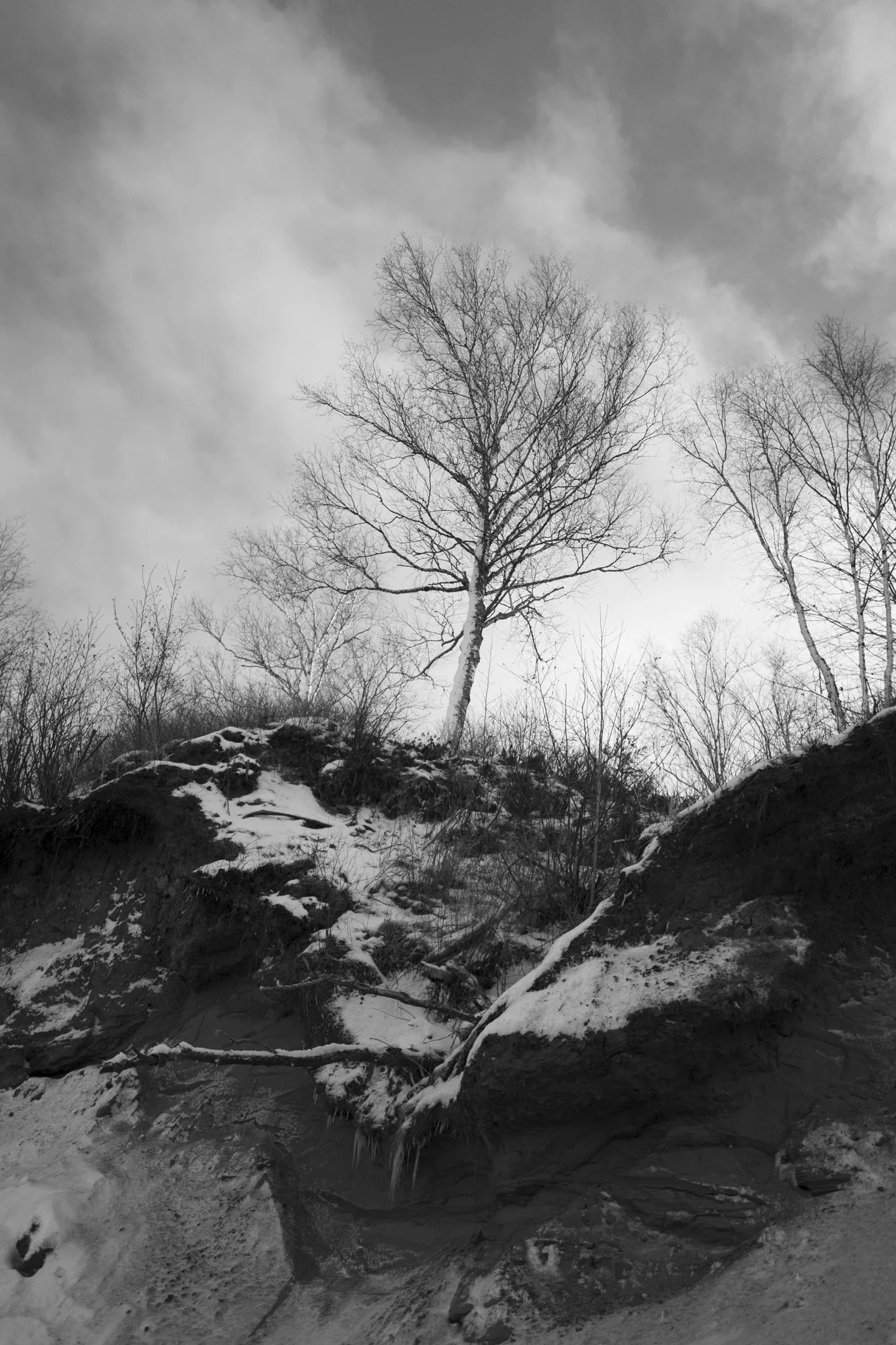
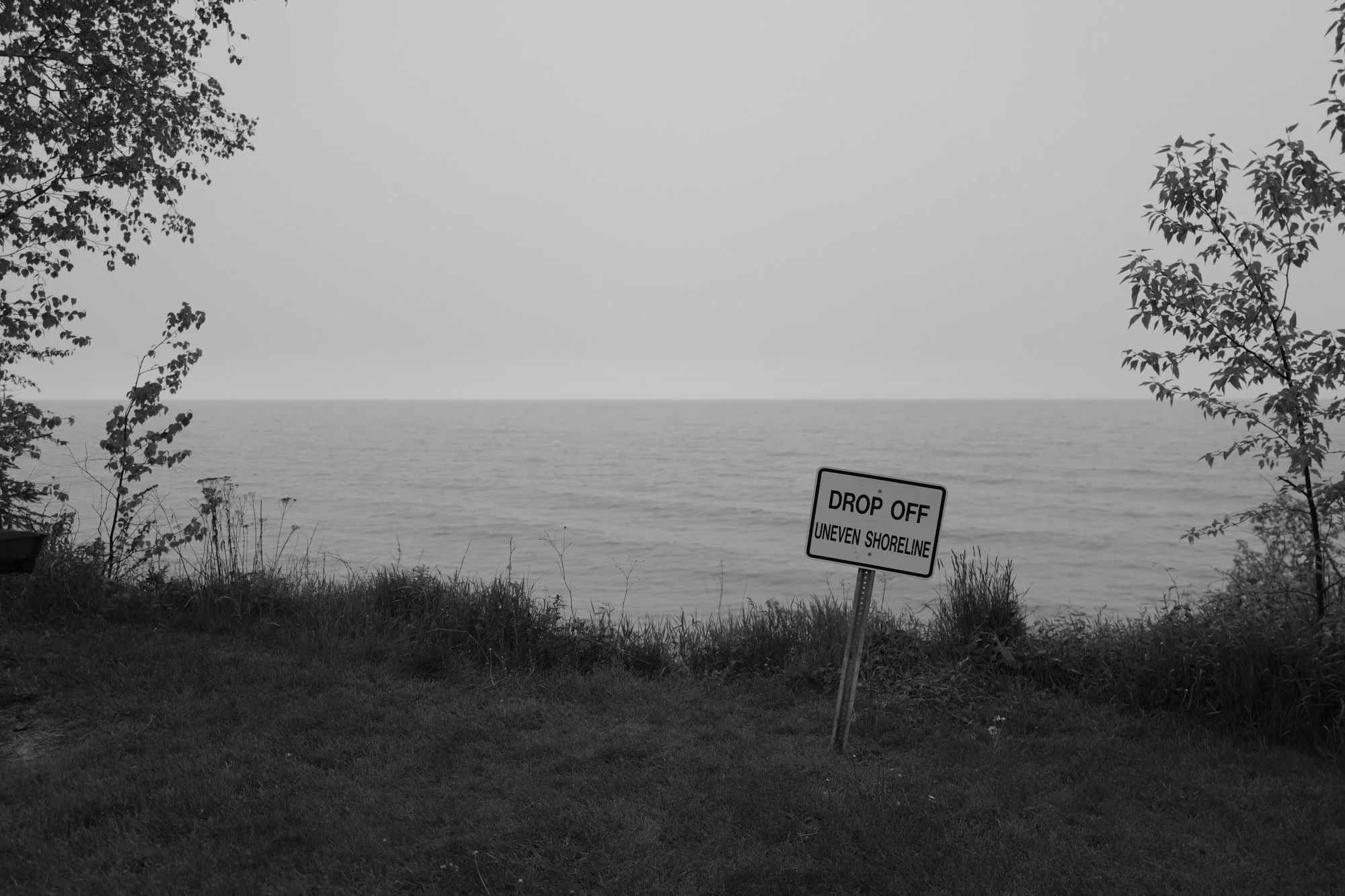
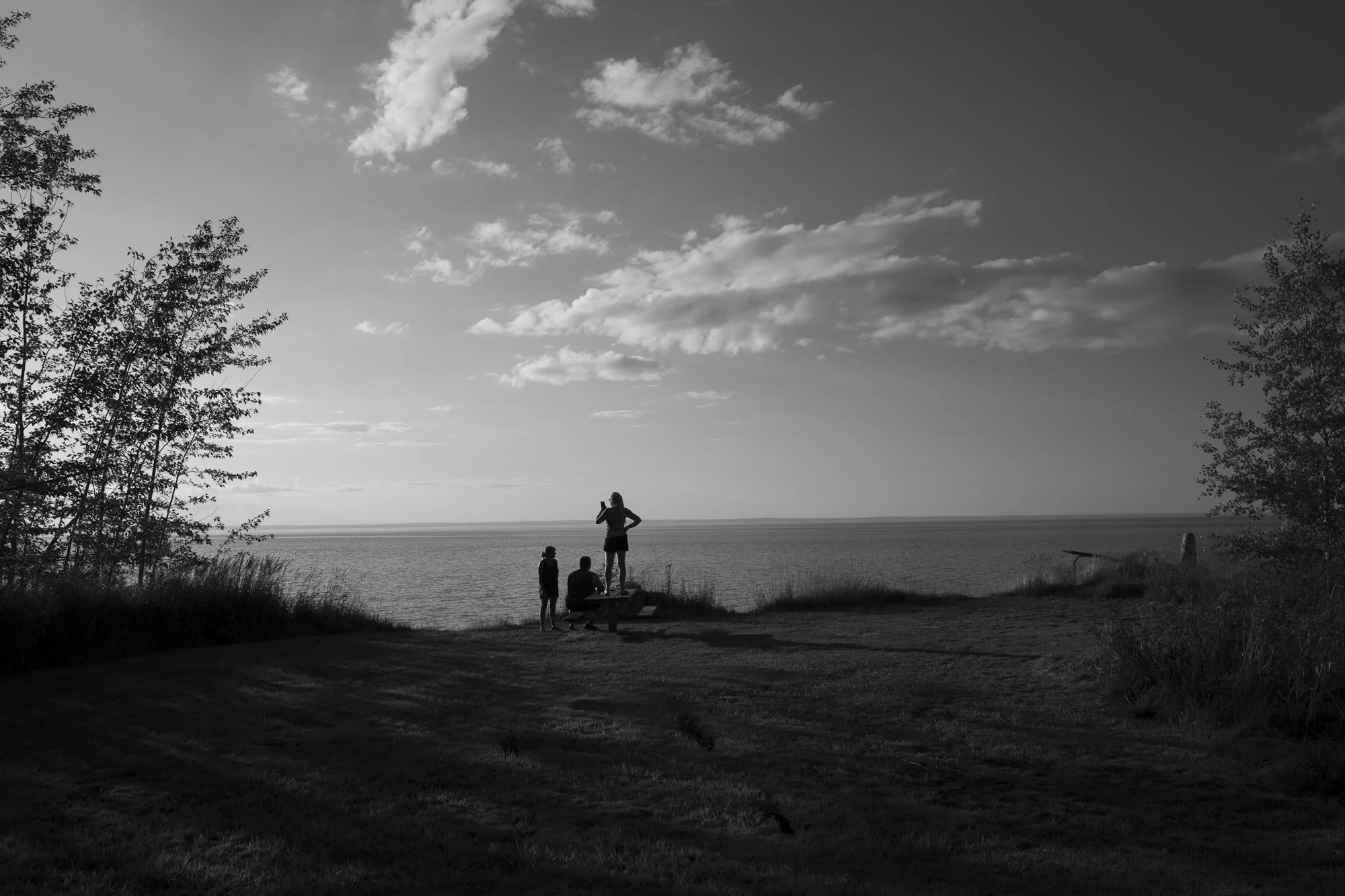
The Patch sits along a scenic byway where travelers stop, almost as ritual, to look out at the lake. Over the years I watched the land give way, sometimes slowly, sometimes all at once. Roots came loose, trees tipped, the edge crept closer. Storms made fiercer by a warming climate tore at the bluff, while invasive earthworms, brought in partly through the worm trade, churned the soil until the trees could no longer hold on.
This year the Patch is gone. The last trees have fallen into the lake, and with them the creatures, large and small, known and unknown, that made their homes there. My photographs are now among the last made of this place.
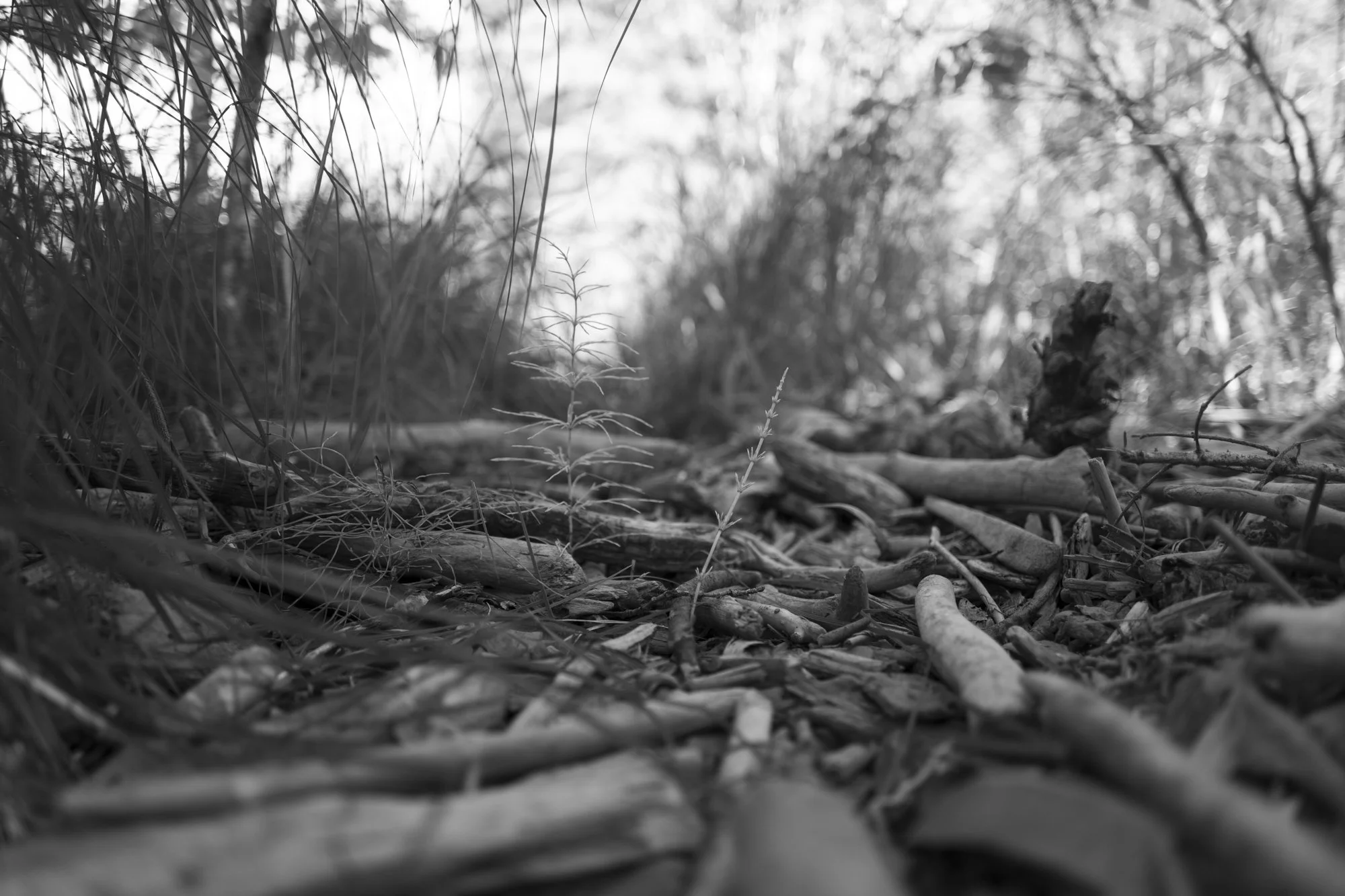
I make this work because I loved this place, and loving it meant watching it disappear. What happened here is happening everywhere, in different forms and for different reasons, often too gradually to notice. Returning to one place for a decade taught me to see loss as it happens. I believe that kind of attention is a form of devotion, and that we cannot care for what we have not first learned to see.
The title holds a paradox: things vanish, yet persist as image, memory, and warning. This work is an elegy, but it is also a hope. For the many places still under threat, I hope we are not too late to love them into persistence, and that seeing what was lost here might help make that possible